Lakeshore Boulder Retaining Wall and Flagstone Patio Rebuild
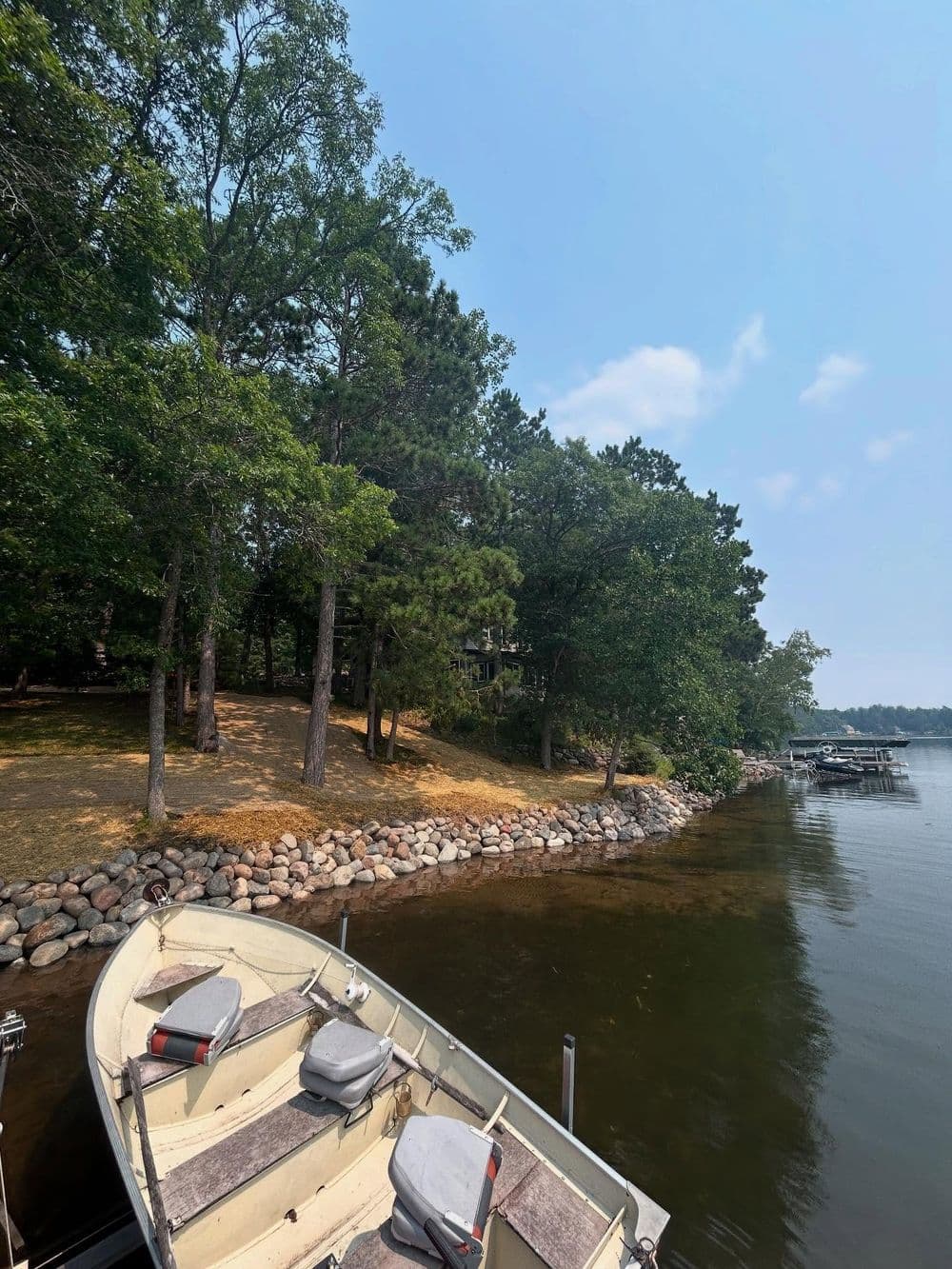
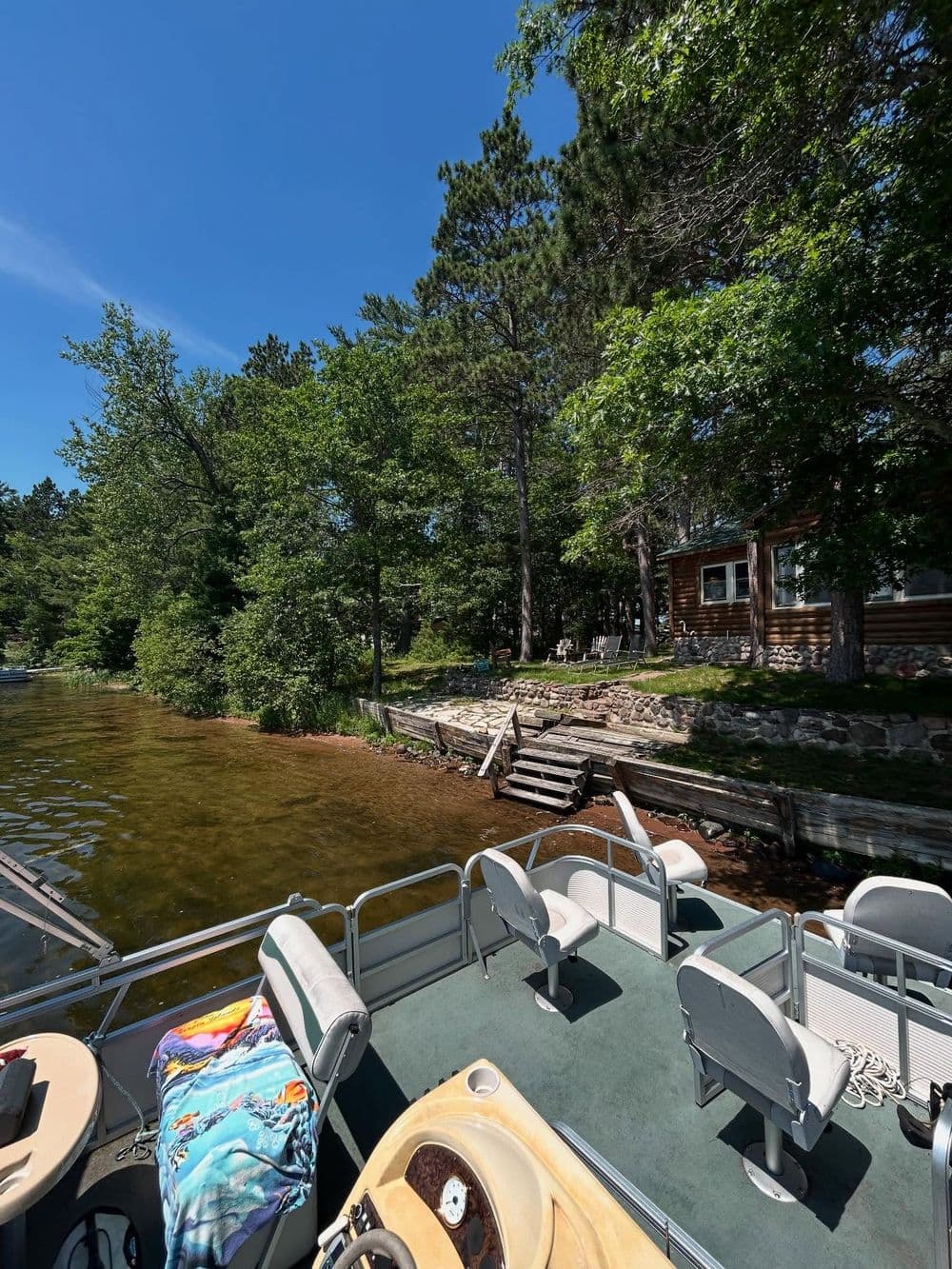
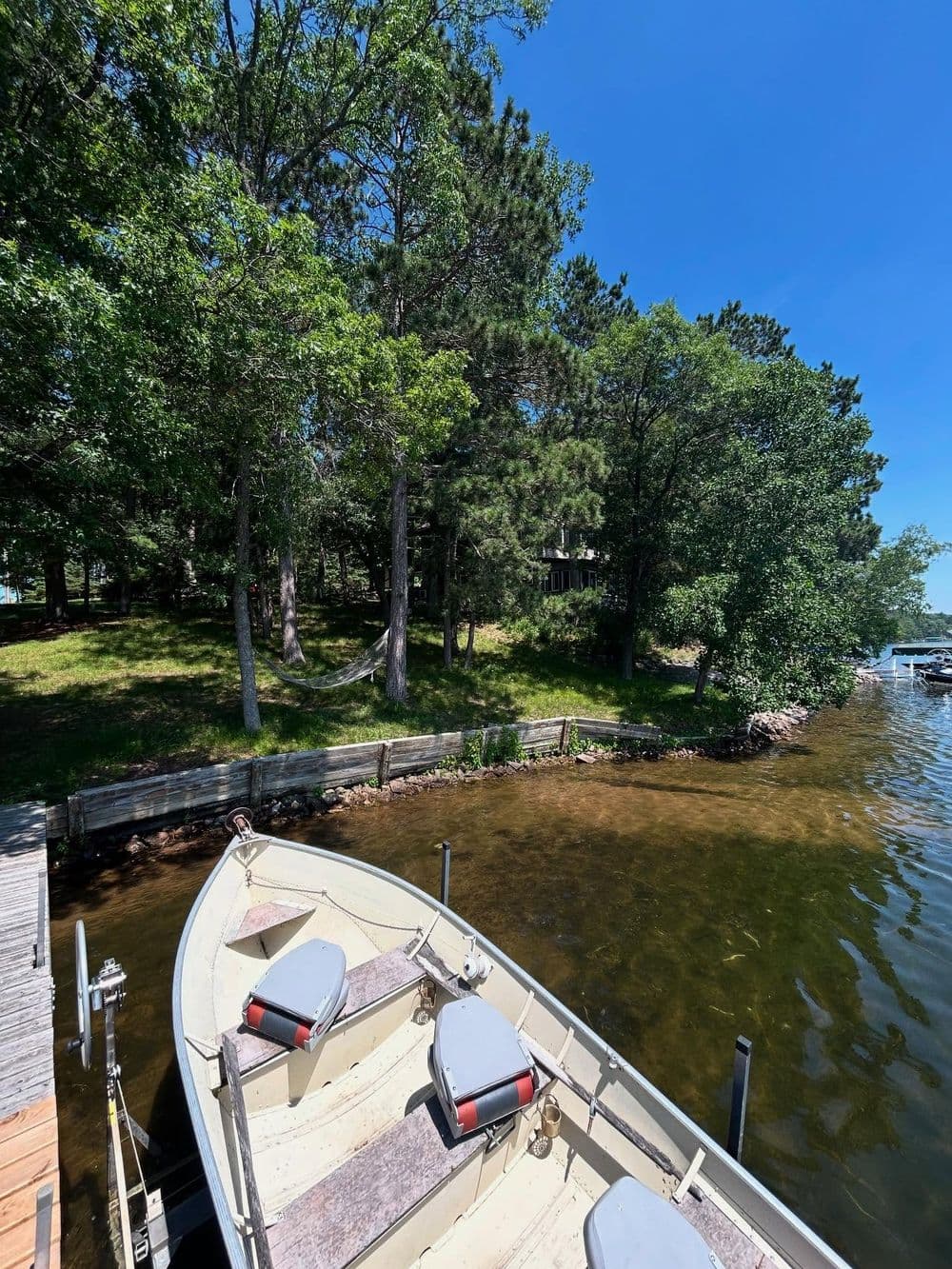
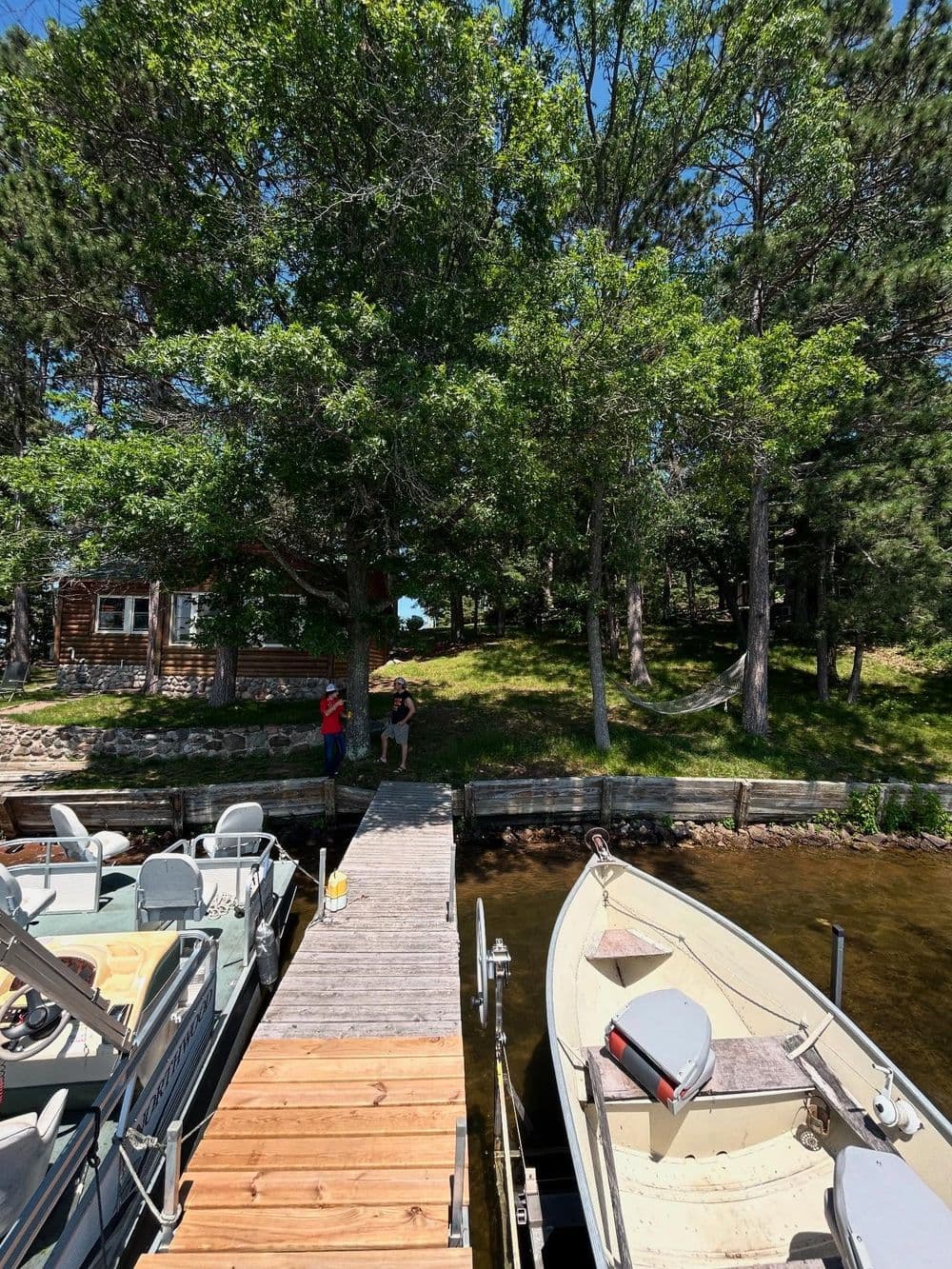
Railroad tie walls have a lifespan. When they rot out and start shifting, they don't just look bad - they let the whole bank move with them. That's exactly what we were dealing with here. The old wall had given up, and the shoreline was going with it.
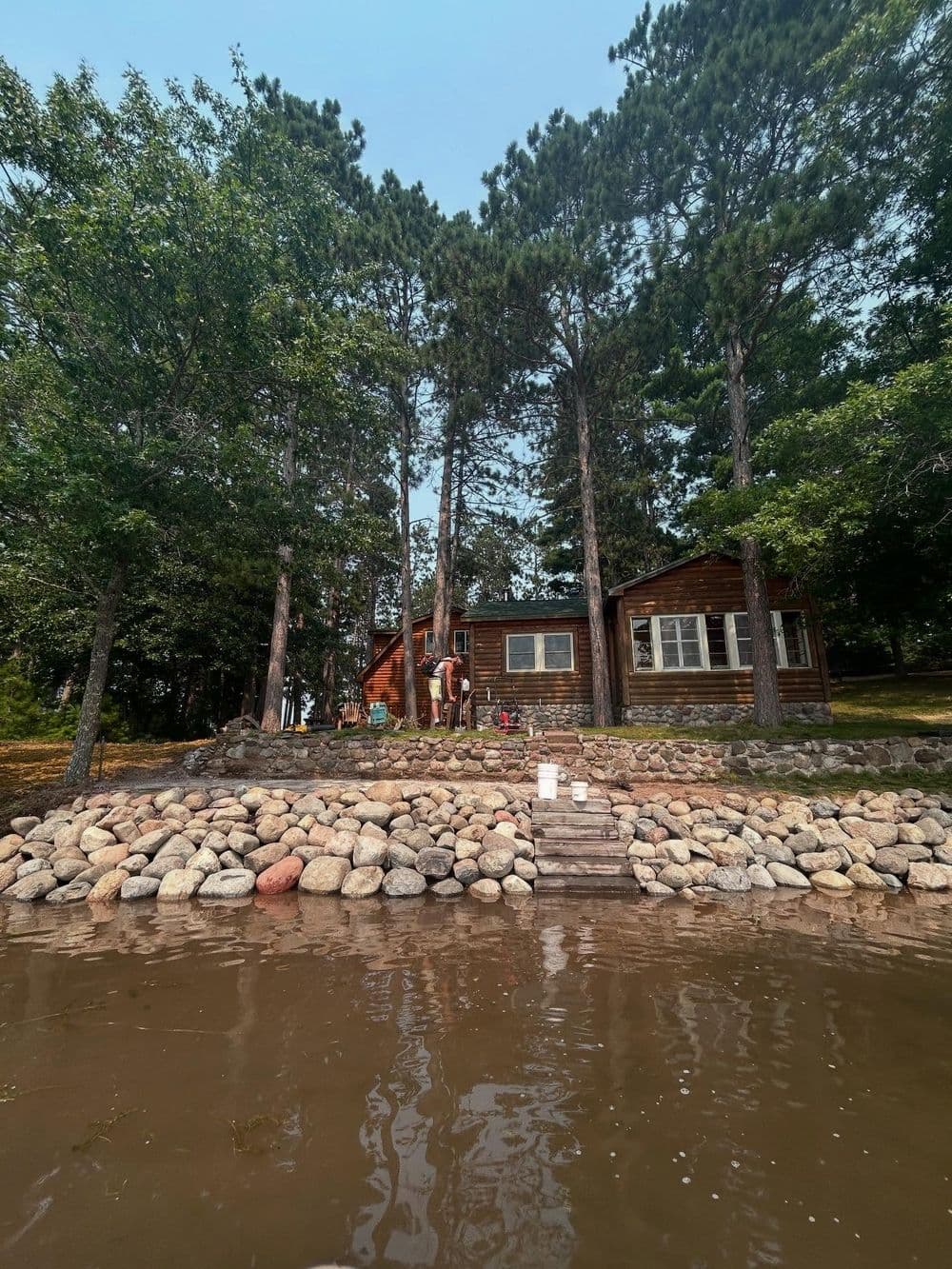
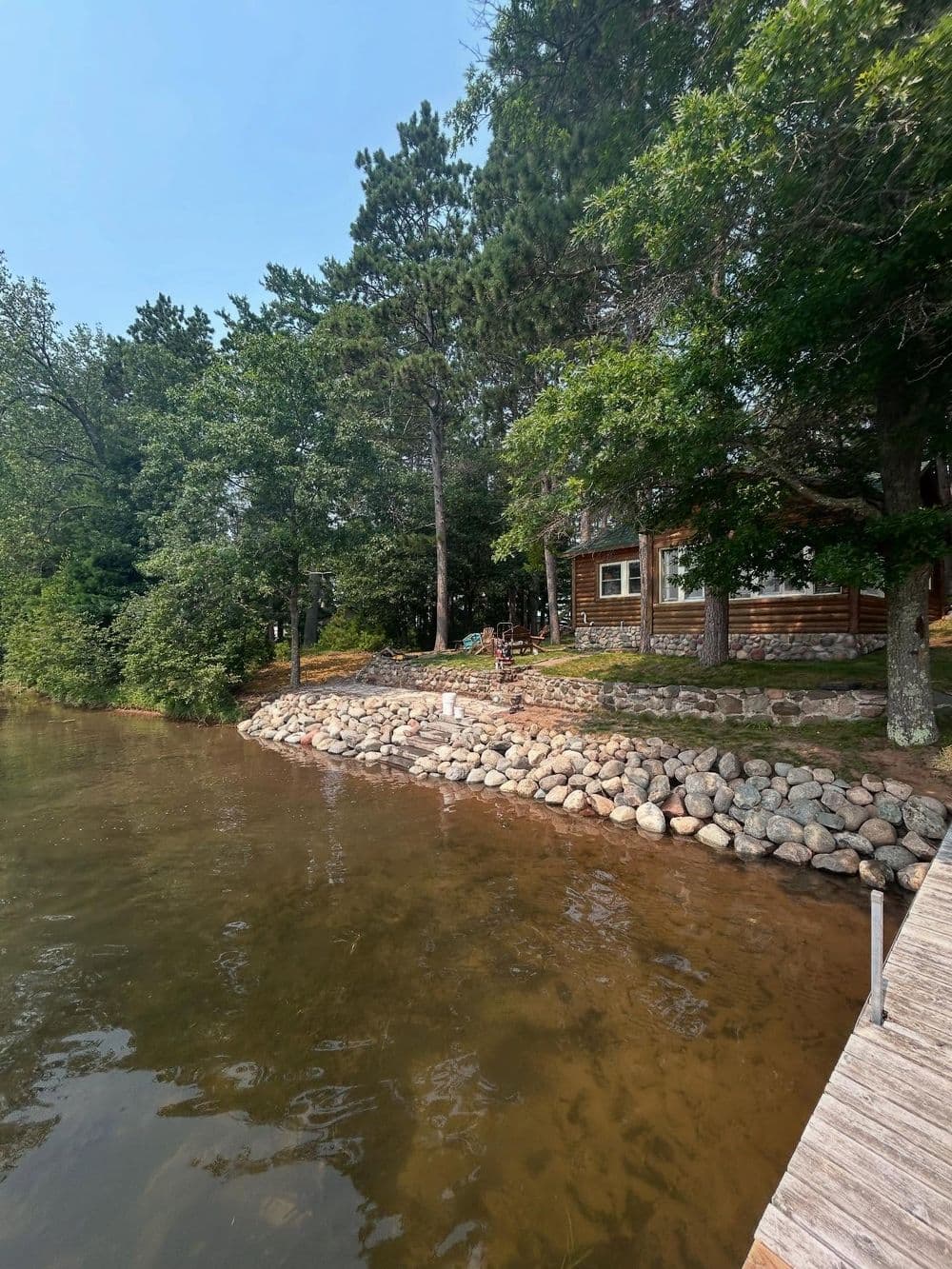
We pulled everything out and started fresh. The railroad ties came out, and in went boulders - set properly along the waterline to hold the bank in place for the long haul. Boulders handle freeze-thaw cycles, wave action, and water fluctuation far better than treated lumber ever will. Up here in northern Wisconsin, that matters.
The flagstone patio got the same treatment. It wasn't just about looks - the original install didn't have a solid base under it, so it was settling and shifting. We ripped it out, built the base the right way, and reinstalled the flagstone with a clean, level finish. It's the kind of work you don't have to revisit.
What you end up with is a shoreline that's actually stable, a patio you can use without tripping over heaved stones, and a cabin that looks like someone took care of it. The boulder wall ties into the existing fieldstone foundation of the cabin naturally - it just fits. That's what happens when the materials and the work are both done right.
A lot of lake properties in the Gordon, WI area are still running on old railroad tie walls that are well past their prime. If your shoreline is starting to lean, crack, or shift, it's worth addressing before the bank starts moving in a serious way. Getting ahead of it is always cheaper than waiting.